Bathrooms rarely fail suddenly. They fail slowly, through a millimetre of sealant that stopped adhering two winters ago, and by the time anyone notices, the damage is in the floor rather than on it.
Fylde Bathrooms handles property maintenance across Cleveleys, and this is the short list worth running through a few times a year. It takes about ten minutes and it prevents most of the expensive discoveries.
The ten-minute check
Run this occasionally rather than never, and it will find things while they are still small. Start with the wet junctions: where the bath or tray meets the wall, where the shower screen meets the tray, and where the tiling meets the floor.
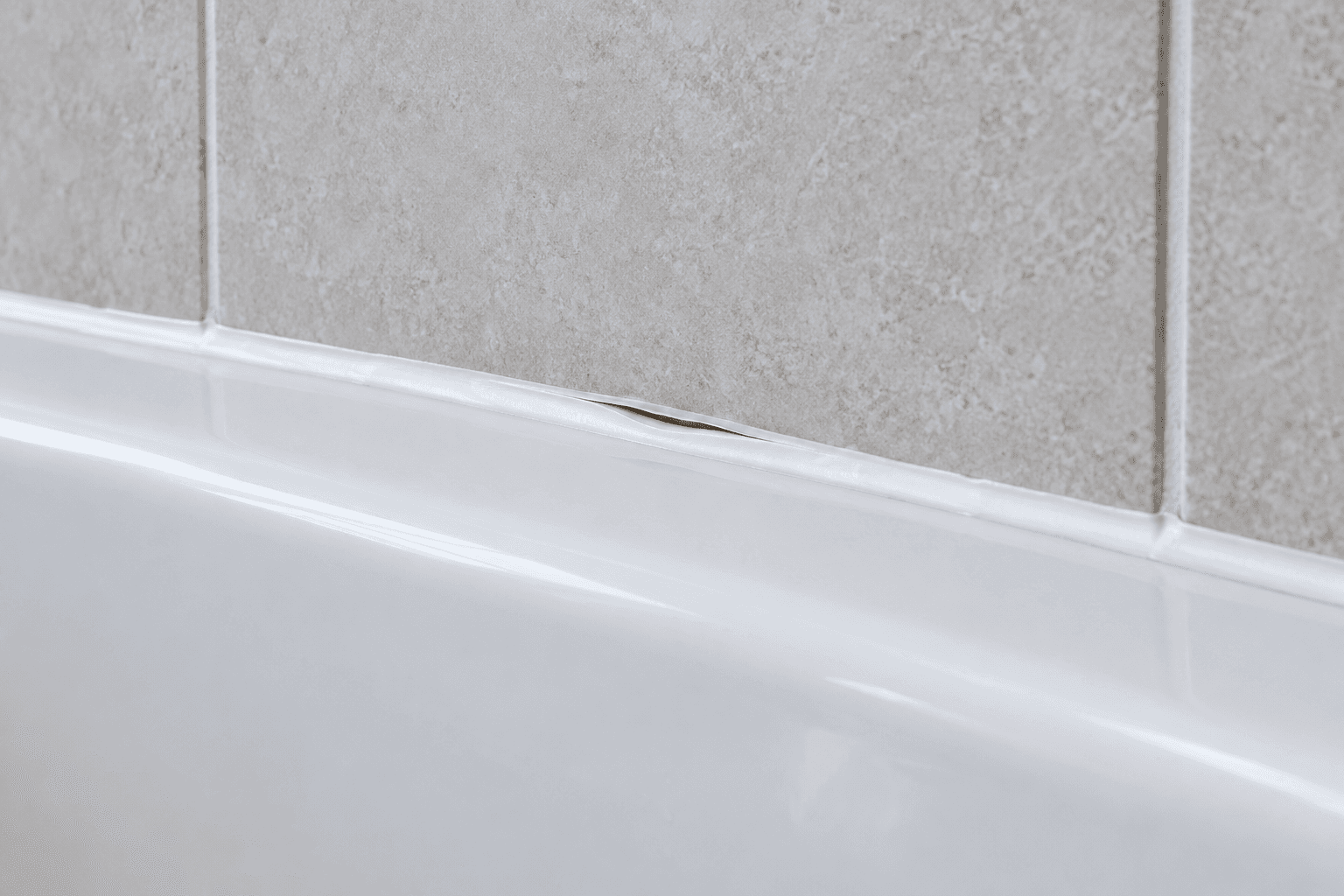
Press gently along those lines. Sealant should be firmly attached to both surfaces. If it lifts, has a hairline gap behind it, or has come away at one end, water is getting behind it whatever it looks like from the front.
Then look at the grout. Missing sections, powdery grout that can be scraped with a fingernail, and cracked lines in the corners all mean water has a route into the wall.
Finally, look underneath and behind. Open the vanity unit and check for damp, look at the ceiling of the room below a bathroom, and check that the floor around the toilet and bath is firm rather than soft underfoot.
- Press along every sealant line; look for lifting or gaps behind it.
- Check grout for missing, cracked or powdery sections.
- Open the vanity and look for damp around the trap.
- Check the ceiling below and the floor around bath and toilet.
When sealant needs replacing rather than cleaning
Discoloured sealant that is still firmly bonded is a cosmetic problem, and cleaning is a reasonable answer. Sealant that has lost adhesion is a waterproofing problem, and cleaning it achieves nothing at all.
The distinction is simple to test: if you can lift an edge, or there is a gap you can see light through, it needs replacing. Applying fresh sealant over old failed sealant is one of the most common household mistakes, because the new bead is only as good as what it is stuck to.
Replacing it properly means removing all the old material, drying the junction thoroughly, and filling the bath with water before sealing so the joint is at its widest when the new bead goes in. That last step is the one most often skipped and the reason so many replacements fail within a year.
Black mould growing on sealant that is otherwise sound is usually telling you about ventilation rather than about the sealant, and replacing the bead without improving extraction tends to produce the same result again.
The early signs of a hidden leak
The value of maintenance is catching things before they become structural, and hidden leaks announce themselves quietly if you know what to look for.
Flooring that lifts, swells or feels soft near a bath, tray or toilet is the clearest sign. So is a stain or a bloom on the ceiling of the room below, which is often dismissed as historic when it is current.
Less obvious signs include a musty smell that does not clear, grout that stays darker in one patch long after the rest has dried, and a toilet that rocks slightly when you sit on it, which can mean the fixing or the seal below has failed.
Property maintenance work starts with site access, current condition, measurements, visible defects, urgency and whether the job is repair, replacement or investigation, and these observations are what turn a vague worry into one of those categories.
- Soft, swollen or lifting flooring near wet fixtures.
- Any stain or bloom on the ceiling below a bathroom.
- A musty smell that does not clear with ventilation.
- A toilet that rocks, or grout that stays dark in one patch.
What to do yourself, and what to leave
Cleaning, keeping extraction working and replacing a small run of sealant are reasonable jobs for most households. So is keeping shower screens and seals clean, since a perished screen seal directs water onto the floor rather than into the tray.
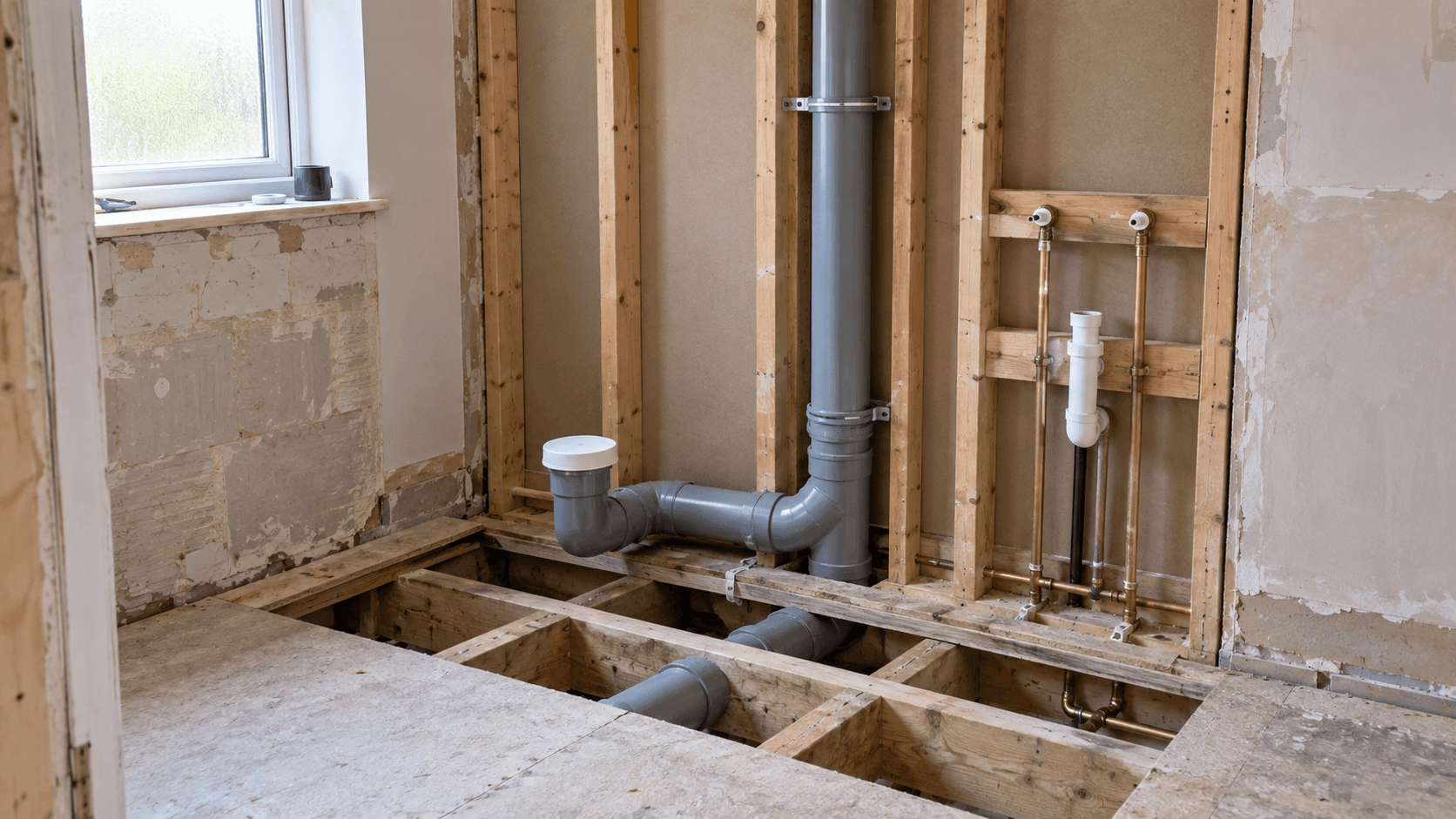
What is worth leaving alone is anything that involves opening up. Chasing a suspected leak by lifting flooring or cutting into a ceiling usually causes more damage than the leak, and speculative investigation is precisely the work that benefits from being narrowed down first.
The same applies to anything structural or to fixtures that have started to move. A rocking toilet or a bath that flexes needs the cause found rather than more sealant applied on top.
Fylde Bathrooms will treat a maintenance enquiry on those terms, keeping the recommendation practical where access or existing condition affects what the work involves. Photographs, measurements and a clear description of the main problem are the fastest route to a useful answer.
Related pages
Questions customers ask
Can I just put new sealant over the old?
No. A new bead is only as good as what it is stuck to, so applying it over failed sealant reproduces the failure. The old material has to come off completely and the junction has to be thoroughly dry before the new bead goes on.
Should the bath be full when it is sealed?
Yes, filling it first is the step most often skipped. A bath drops slightly under the weight of water and a person, so sealing it empty means the joint opens every time it is used, which is why so many replacements fail within a year.
How often should I check my bathroom?
A few times a year is enough. Press along the sealant lines, look at the grout, check under the vanity and look at the ceiling below. Ten minutes finds most problems while they are still small and cheap.
Press the sealant, check the grout, look under the vanity and look at the ceiling below. Ten minutes a few times a year is the difference between replacing a bead of sealant and replacing a floor.
Fylde Bathrooms handles bathroom property maintenance across Cleveleys, from resealing to investigating what a soft floor is telling you. The contact page is the place to describe it.