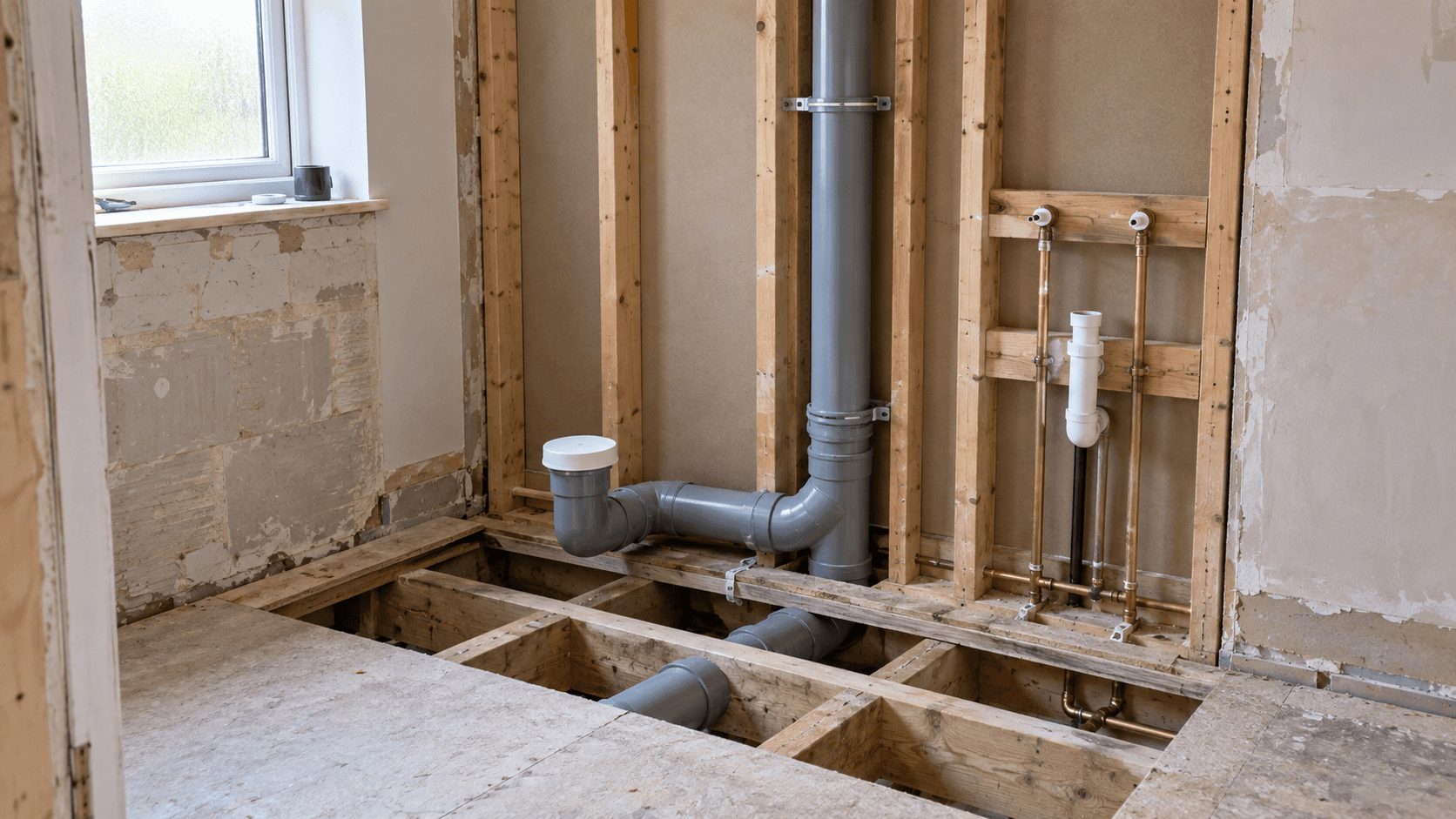
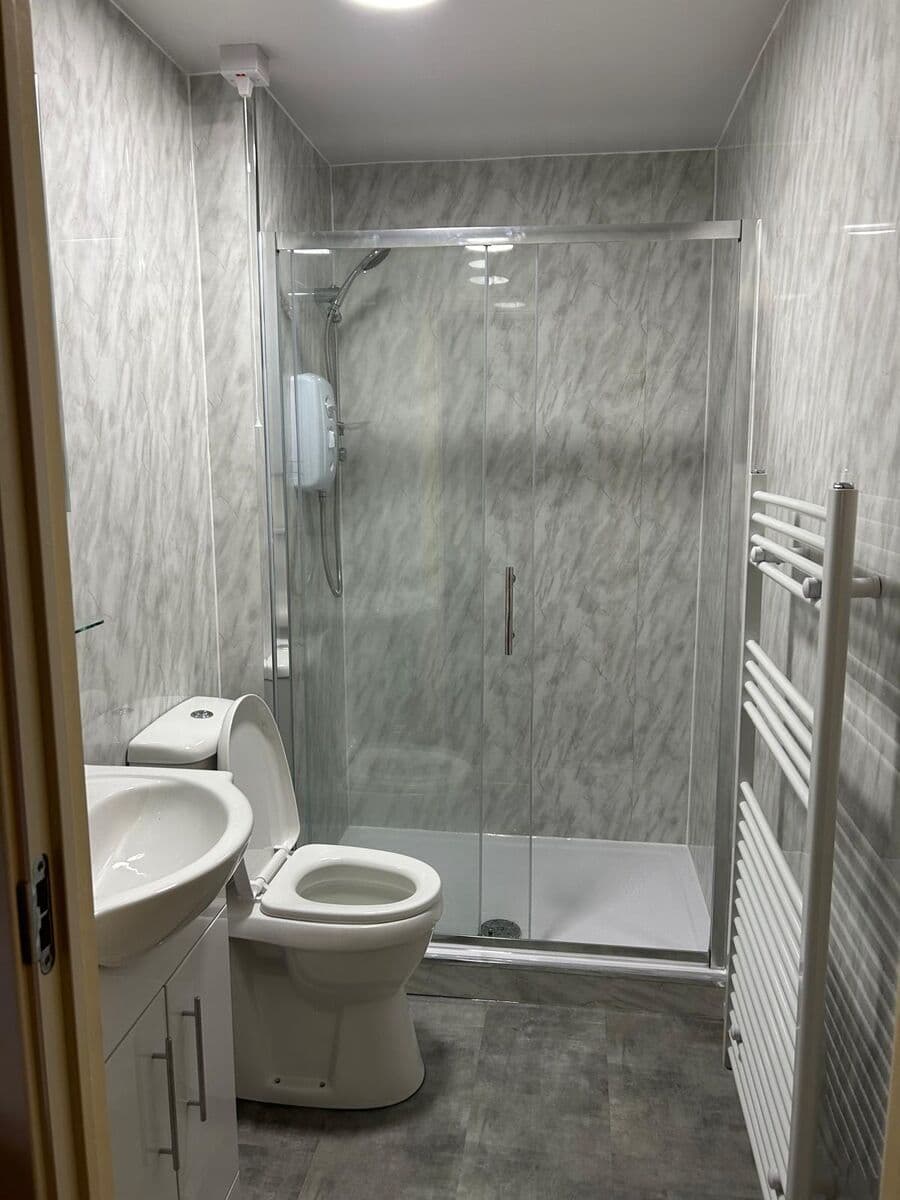
Bathroom maintenance starts with noticing changes while they are still easy to describe. A damp patch, loose tile or recurring drip can be more useful to a plumber or fitter than a guess about which part has failed. Keep track of what you can see, when it happens and which fitting is in use. This guide explains the details worth recording before asking Fylde Bathrooms about plumbing, tiling or bathroom repairs in Thornton and across the Fylde Coast.
Describe a leak without guessing its cause
If water appears around a shower, basin or toilet, note its location and whether it follows use of that fitting. Record whether the area dries between uses or remains damp. Take photographs from a safe position, including the surrounding floor or wall so the scale of the problem is clear. A close-up can show a joint, but a wider photograph helps explain where that joint sits in the room.
Include when you first noticed the problem and whether it has happened before. Mention any earlier repairs or recently replaced fittings. You do not need to remove panels, disturb pipework or test a repair yourself to make a useful enquiry. If a fitting is leaking, avoid continuing to use it while waiting for advice about the appropriate next step. Ask what can be assessed from photographs and what requires a visit.
Look at tiles and joints as part of the room
A cracked tile, missing grout and movement underfoot are different observations. Explain which one you have noticed rather than describing them all as damaged tiling. Photograph the affected area and its edges. Note whether the problem is near the shower, a doorway, a bath or another fitting. If more tiles become affected over time, a dated photograph gives a clearer record than trying to remember how the area looked earlier.
The visible finish is only one part of a tiled surface. Wall condition, floor movement, waterproofing and preparation can affect the repair needed beneath it. Covering a recurring problem with another cosmetic repair may leave that cause unresolved. Describe what has already been tried and ask whether the surrounding surface needs checking before replacement tiles or new grout are chosen. Keep any details you have about the original tiles for the discussion.
Include ventilation and everyday use
Tell the fitter if the room regularly stays damp after bathing or showering. Explain how ventilation is currently provided and whether that has changed. Mention persistent moisture around cupboards, corners or fittings, as well as visible marks. These details help place a maintenance problem in context. Cleaning a surface and understanding why it repeatedly becomes damp are separate questions, so include both the immediate symptom and the pattern you have noticed.
Storage and access also affect how the room is used and maintained. A cramped cupboard can hide a small leak, while awkward access may make it difficult to inspect or clean around fittings. Explain whether furniture, boxing or bathroom units restrict the affected area. Do not remove fixed items solely to provide a photograph. A clear description of what is accessible helps the person arranging a visit understand what can be seen safely.
Separate a repair from a refurbishment
A maintenance enquiry does not have to become a complete bathroom renovation. Start by describing the fault and the result you need. Then explain any wider plans separately, such as replacing the suite, changing the layout or improving shower access. This helps distinguish essential repair work from changes you would like to consider later. Ask which parts of the existing room can remain and which need further assessment before making that decision.
If you are considering wider work, keep a list of priorities. Plumbing repairs, tiling, ventilation, storage and waterproofing may overlap, but their order needs to be discussed for the particular room. Mention if it is the only bathroom in the property or if someone has specific access needs. These circumstances matter when considering disruption and agreeing a practical programme; they should be included before dates or materials are settled.
Keep a useful maintenance record
A short note can include the date, the affected fitting, what happened and any action already taken. Keep photographs and details of previous work together. When a symptom returns, add the new observation instead of replacing the old one. That record helps explain whether the problem is occasional, becoming more frequent or associated with a particular use of the room. It also reduces the need to reconstruct the history during the first conversation.
To contact Fylde Bathrooms, send your area, a description of the problem, photographs where useful and any access or timing concerns. State whether you need a plumbing repair, tiling advice or a discussion about wider bathroom work. Use the contact page to explain the situation. The next step is to establish what can be checked from that information and what needs inspection at the property.