Two quotes for the same bathroom can differ by thousands, and the reason is almost never the tiles. It is what each quote has assumed about the parts of the job nobody can see: where the waste runs, what the water pressure will support, how the room gets rid of steam, and whether anyone can physically get materials in.
Fylde Bathrooms fits bathrooms across Blackpool, and a quote that has genuinely addressed those four things is worth more than one that is simply cheaper. Here is what each of them means in practice.
Waste routes decide what a change of layout costs
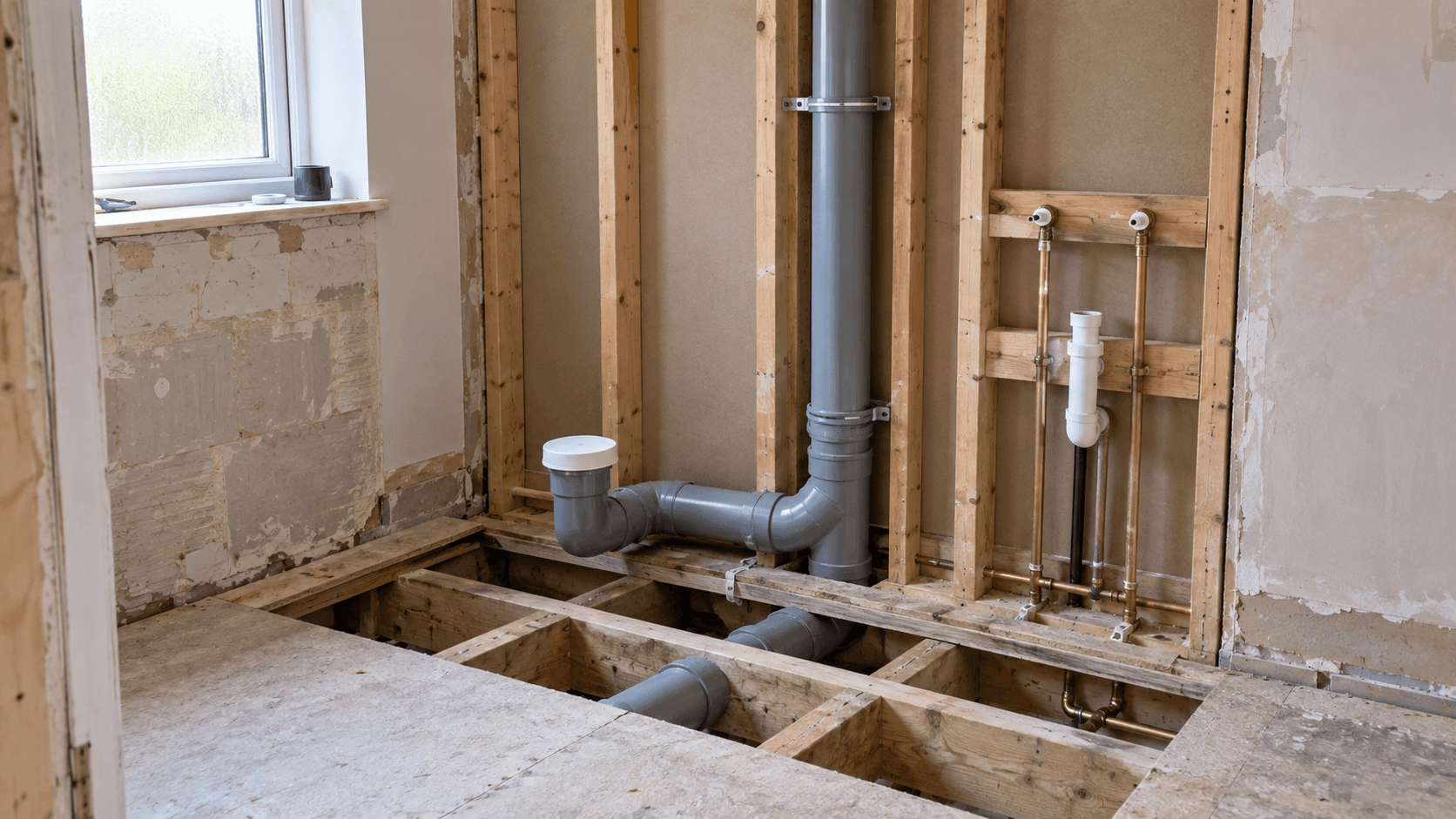
Bathroom fitting starts with the room layout and the waste routes, because they set the boundary between a straightforward job and an expensive one. Supplies can be extended fairly easily; wastes depend on gravity and are far less forgiving.
Moving the toilet is the biggest single variable, because it means altering the soil connection and keeping adequate fall. Moving a bath or shower means re-routing waste under the floor, which usually involves lifting boards. Moving a basin is comparatively cheap, since a basin waste is small and flexible.
That hierarchy is worth knowing before you design anything, because it lets you spend money where it shows. Keeping the suite roughly where it is and changing everything else is usually the best value available in a bathroom.
A quote that does not mention waste routes has not priced the layout; it has priced a hope.
- Toilet moves are the expensive ones: soil connection and fall govern everything.
- Bath and shower moves mean floor access and waste re-routing.
- Basin moves are usually the cheapest change of position.
- Ask which existing waste runs are being reused and which are new.
Water pressure decides which fixtures will actually work
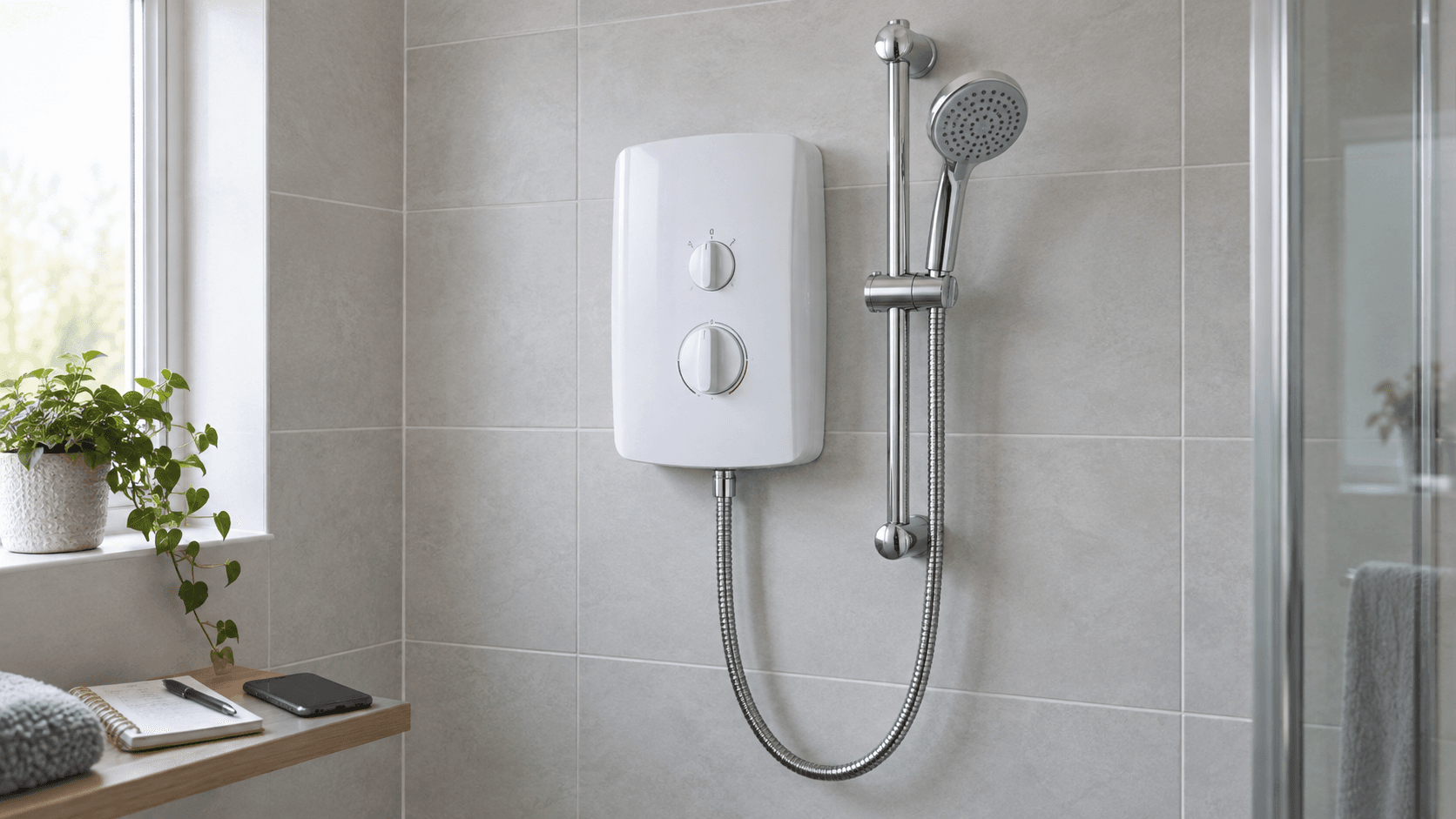
The fixtures you can enjoy are limited by the water pressure the property actually has, and that is a fact about the plumbing rather than about the budget. A shower valve specified for mains pressure will disappoint on a gravity-fed system no matter how well it is fitted.
This matters most for showers, and it matters again for any fixture with a minimum pressure requirement printed in its instructions. It is the single most common cause of a beautifully finished bathroom that nobody enjoys using.
So water pressure belongs in the conversation before fixture choices are finalised, not after they have been ordered. Where there is more than one sensible option, a good quote can show the trade-off clearly before materials, access or dates are agreed.
If you have already bought or chosen fixtures, say so early. It changes what the quote has to allow for, and it is far better raised at the enquiry than discovered on fitting day.
Ventilation is not an optional extra
A bathroom generates more moisture than any other room in a house, and the thing that decides whether grout, sealant, paint and plaster survive is whether that moisture leaves.
That means extraction that genuinely shifts air, ducted to outside rather than into a loft or void, ideally with a run-on timer so it keeps working after the light goes off. Ducting into a roof space simply relocates the damage to somewhere you cannot see it until it is serious.
If the old room grew mould in the corners or the paint kept peeling, that is evidence the replacement fan needs to be better rather than just newer. It is worth saying so at the quote stage, because it changes the specification.
Fylde Bathrooms treats ventilation as part of the fitting scope alongside layout, waste routes, water pressure and fixture choices, which is where it belongs rather than as a line item somebody adds later.
- Extraction ducted outside, never into a loft or void.
- A run-on timer so the fan clears the room after use.
- Existing mould or peeling paint is evidence, not decoration.
- Agree the duct route while the walls are still open.
Access, and what to send before the visit
Access affects both the price and the programme, and it is the item most often left out of a phone conversation. A first-floor bathroom reached by a narrow staircase is a different job from a ground-floor one beside a back door, because every item in and every item out goes the hard way.
The same applies to parking, to whether a skip can stand anywhere sensible, and to any part of the property that materials cannot be carried through without protection.
Sending a few details up front makes the first conversation far more accurate: room photographs, approximate dimensions, the fixtures you have in mind and any access requirements. Those four things let a quote reflect the real job rather than an average one.
It is also worth saying how the room is used day to day. A single bathroom serving a family has different priorities from a second bathroom used twice a week, and the sensible specification follows from that.
Related pages
Questions customers ask
Why are bathroom quotes so different from each other?
Usually because of what each has assumed about the parts you cannot see: whether wastes are being moved, whether the fixtures suit the water pressure, what ventilation is included, and how materials get in and out. Ask each quote to state those four things.
Is it cheaper to keep the bathroom layout the same?
Almost always, because the hidden pipework stays where it is. The biggest single saving is leaving the toilet in place, since moving it means altering the soil connection and maintaining the correct fall under the floor.
What should I send when asking for a bathroom quote?
Room photographs, approximate dimensions, the fixtures you have in mind and any access requirements. Those let the recommendation stay practical, especially where access or the existing condition affects what the finished work involves.
Waste routes, water pressure, ventilation and access. A quote that names all four is describing your bathroom; one that names none is describing an average one.
Fylde Bathrooms quotes bathroom fitting in Blackpool against the actual room, and photographs with rough dimensions make the first answer far more accurate. The contact page is the place to send them.